

Fall is a season of transition. The leaves are changing and falling, and the days are growing shorter, colder, and darker. Maybe you love fall, with its cozy sweaters, crisp air, and sense of renewal (and perhaps even a pumpkin spice latte), but still find yourself feeling different. Whether it is a shift in your mood, energy, or motivation, things start to feel a little bit harder, yet you cannot quite put your finger on why.
If this sounds familiar, know you are not alone. Seasonal changes are incredibly common, especially in northern climates like Alberta, where daylight hours, once long and plentiful, seem to slip through our fingers quickly. Our minds and bodies are deeply connected to light. As daylight fades, we get less exposure to natural light, which affects our internal clock and hormones.
These changes can lead to:
- low energy
- sadness
- disrupted sleep
For some people, these seasonal shifts become more than just a temporary dip in mood and can include fatigue and loss of interest in activities. For many others, it shows up more subtly as a dip in motivation, irritability, or a general sense of feeling off. It can feel like our body is failing us or like we just cannot find the motivation we need, but in reality, it is simply our body’s natural response to the shift in environment.
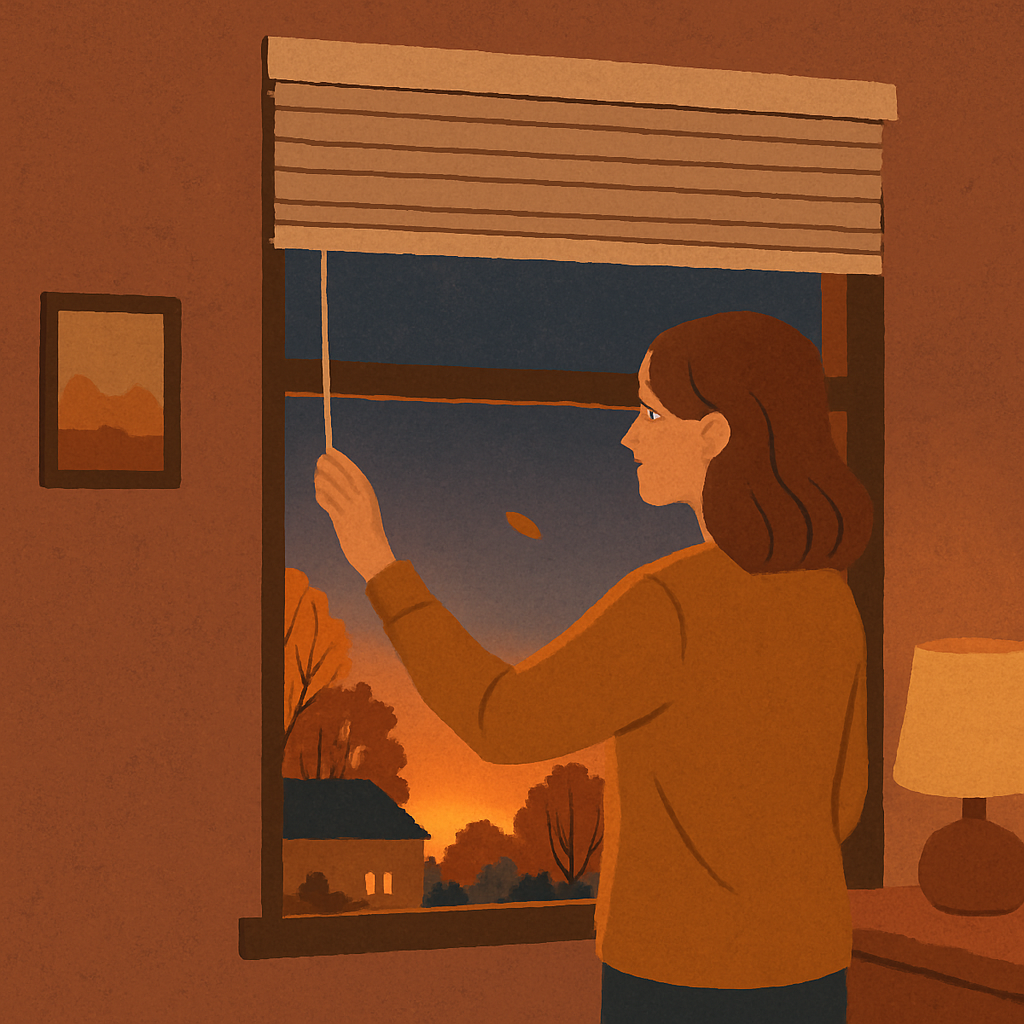
On top of our body’s response to the changing season, fall tends to be a busy time filled with life transitions. Kids are back in school, routines shift, and calendars fill quickly with work commitments, extracurriculars, and family obligations. Between numerous holidays and year-end gatherings, many of us feel stretched thin. This fast cultural pace comes at a time when our bodies feel the need to slow down, making it feel as though we can’t keep up, leading to feelings of guilt, as though our bodies are failing us.
Since we cannot control how much daylight we get, the question becomes: How do we support ourselves through this season?
Therapeutically, this is where self-awareness and self-compassion become powerful tools.
Gentle Ways to Support Yourself
1. Get outside whenever you can.
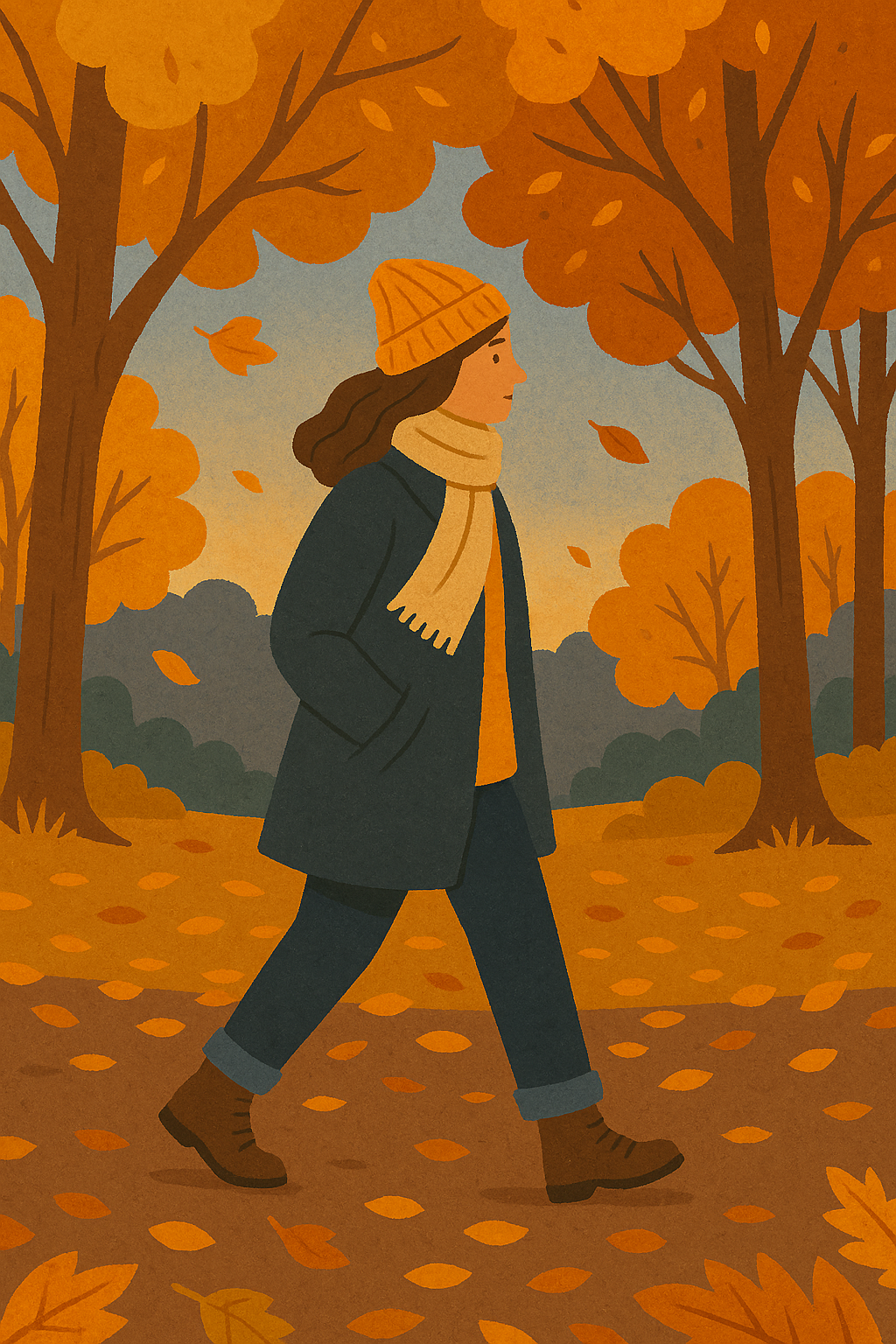
Light is powerful. Try to spend even a few minutes outside during daylight hours, especially in the morning. A short walk, standing by a window with your coffee, or opening the blinds wide can help regulate mood and energy. A light therapy lamp can be helpful, especially during long stretches of dark mornings.
2. Keep your body moving.
Movement is one of the most effective ways to lift mood and support energy levels. It does not have to be intense. A gentle stretch, yoga, or a short walk counts. Think of movement as something that connects you back to your body rather than another task on your to-do list. Movement supports emotional regulation by releasing tension and helping your nervous system reset.
3. Stay connected.
When we feel low, it’s easy to pull away, but connection is one of the best ways to soften seasonal stress. Reach out to a friend or simply spend time around people in a shared space. Social connection can activate our sense of safety and belonging, two things our brains deeply need when we’re struggling, especially when you feel “stuck” or in-between seasons of life.
4. Create small, comforting routines.
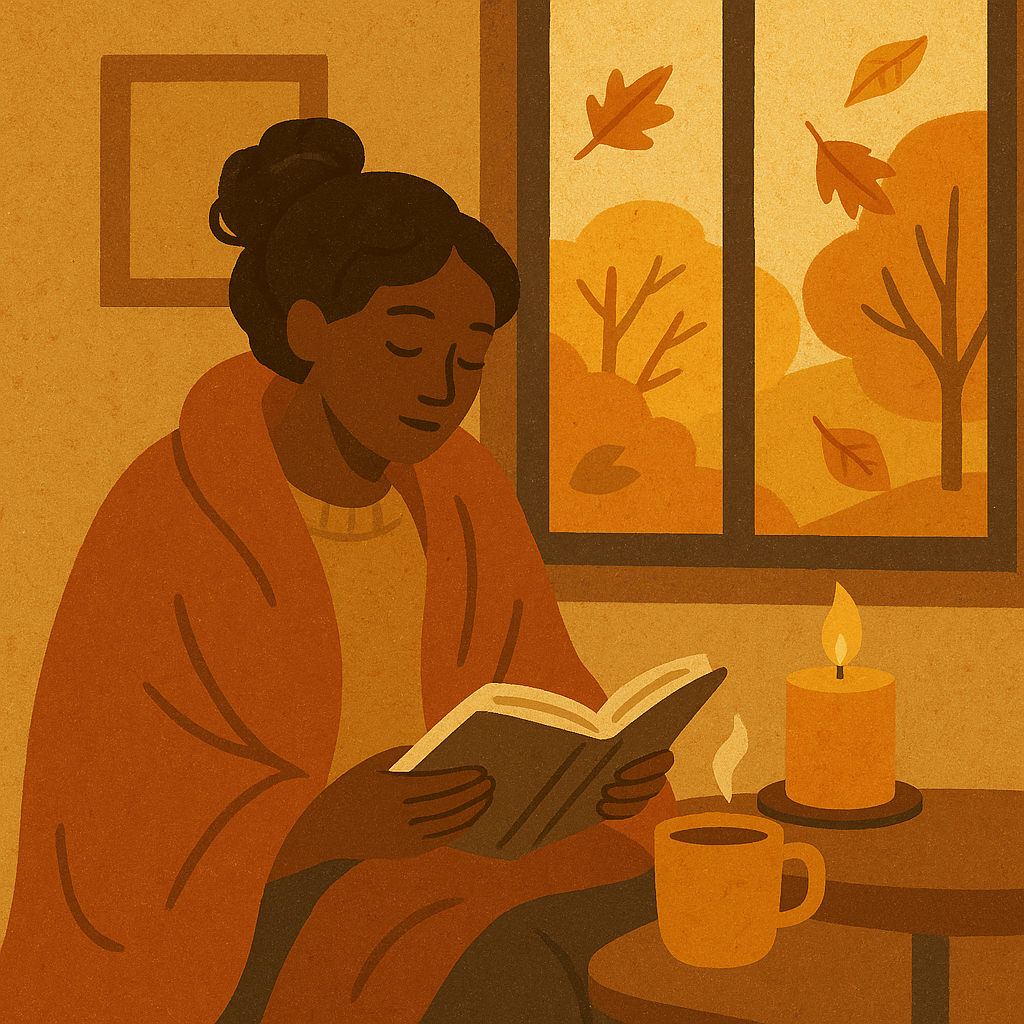
Structure can help restore stability when everything feels a little off. Try creating a simple ritual like writing a short gratitude note or making tea at the same time each evening. These small acts help you stay mindful and present, giving your body cues of consistency and safety when your energy feels scattered.
5. Be kind to yourself.
Seasonal changes can make even small tasks feel harder. Notice your inner voice. If it is critical or harsh, try softening it. You are not lazy or failing for needing rest. You are adjusting to real environmental and emotional shifts.
6. Reach out for support when you need it.
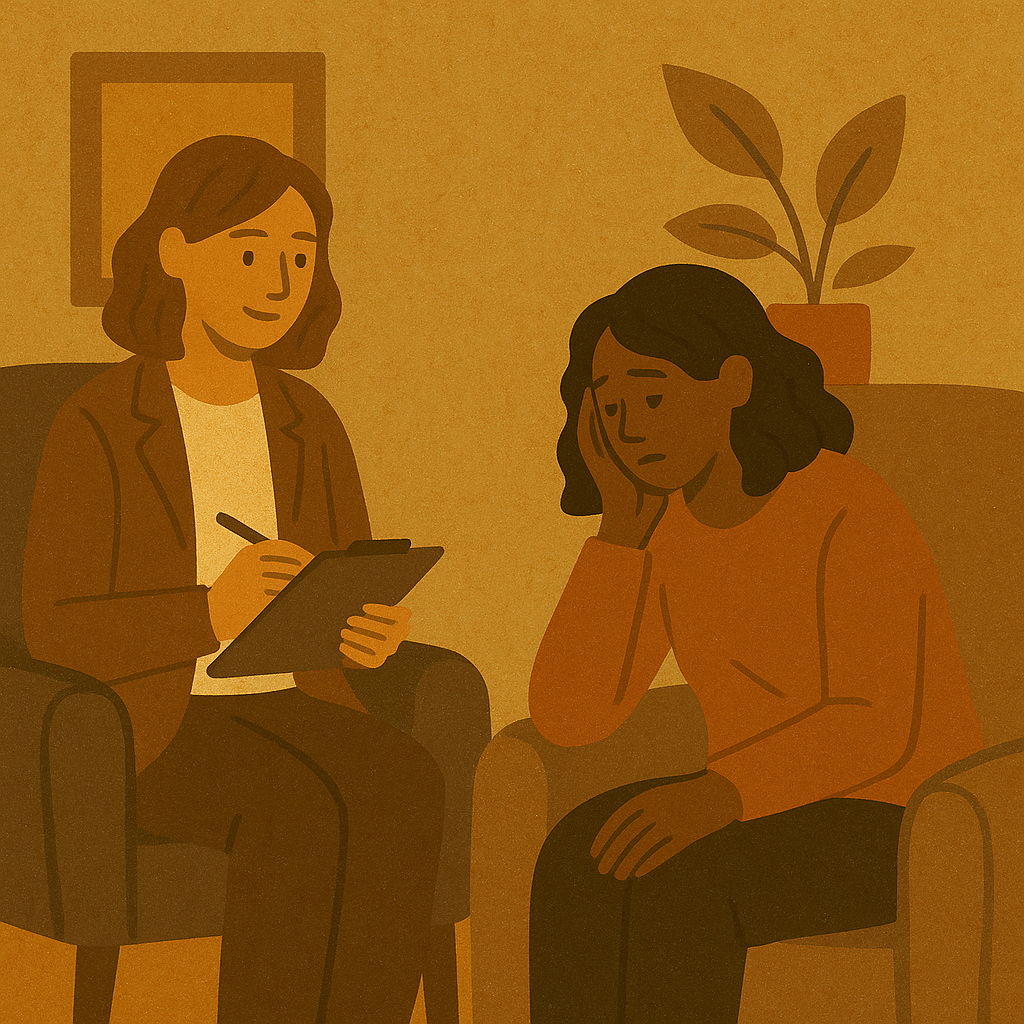
If your mood stays low, if you are struggling to function day to day, or if you feel stuck, talking to a therapist or your healthcare provider can help. Sometimes it is not about fixing anything, but simply having a space to process, understand, and build tools for support.
A Closing Thought
The changing seasons remind us that nothing stays the same, not even how we feel. Just as nature slows down, this can be your time to pause, to listen to what you need, and to move through the darker months with a little more gentleness. Try to notice the small things that bring warmth and light, even when the days feel heavy.
Originally written by Brittany Hayes, a former team member at Infinite Path.

Infinite Path Contributors
This content was developed by clinicians and contributors who have been part of the Infinite Path team over time. We are grateful for their contributions and the knowledge they’ve shared to support our community.