

Wait—Where Did I Go?
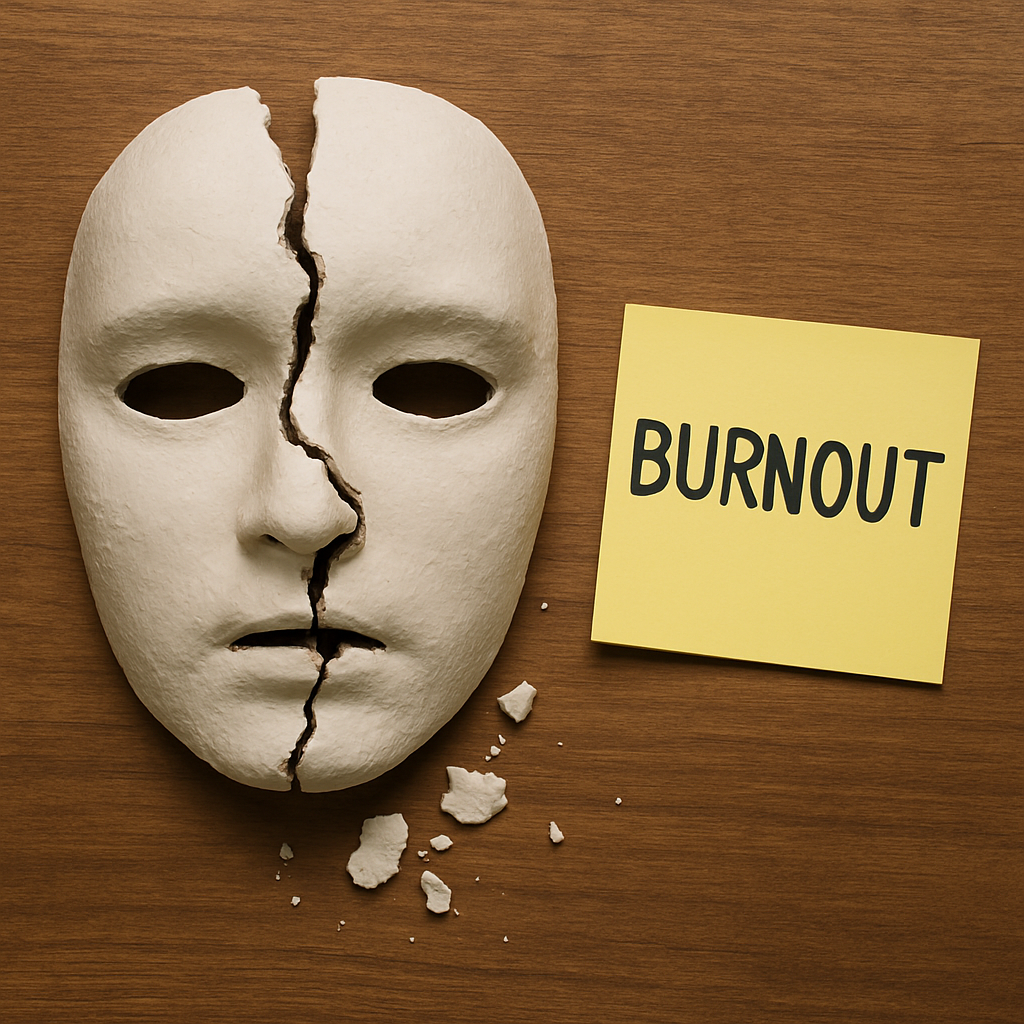
Funny how burnout doesn’t always crash in with fireworks. Sometimes, it just slips in like fog. One day, you’re juggling tasks, people, and expectations. Then, slowly and quietly, everything inside sort of shuts down. Not in a calm 'time to rest' way. More like someone flipped your internal power switch to dim. Or mute. It's common to feel embarrassed or blame yourself for this, thinking you should have handled things better. But really, burnout isn’t about failure or weakness—it's simply a signal from your body that should be acknowledged and supported during burnout recovery.
It’s not just tiredness. It’s beyond tired. You forget what joy even felt like, or if it ever actually belonged to you. Your thoughts become sluggish. Even your dreams, if you still have them, feel muffled. And don’t get me started on that impossible little to-do list. It now stares at you like a cruel joke.
Sound familiar? If so, please hear this. You’re not a failure. You’re not broken. You’re not lazy or dramatic. You’re human. And burnout? It’s not some shameful crack in your character. It’s your nervous system waving a bright red flag, saying, “Something’s off. Please listen.”
This isn’t about bouncing back. I mean, bounce? With what energy? No. This is about slowly, tenderly, curiously rediscovering the parts of yourself that burnout buried.
What Burnout Actually Is
(Hint: It’s Not Just About Being Tired)
Let’s clear this up. Burnout isn’t just “a rough week.” It’s an all-systems meltdown. Emotionally? Flatlined. Physically? You might feel like your body weighs 200 pounds heavier than usual. Spiritually? You’re not sure if you’ve stopped believing in things or just stopped caring.
Here’s what it can look like. And no, you don’t need to check every box.
- Feeling disconnected, like life’s happening in a room you’re not allowed in.
- Getting snappy at people who don’t deserve it, and then feeling guilty.
- Waking up exhausted, no matter how long you slept.
- Wondering where the version of you who used to care so much has disappeared to.
- A quiet, unsettling thought: I’m not myself anymore, am I?
Burnout doesn't discriminate. Parents, nurses, overachievers, caregivers, empaths, the "strong ones." It will knock on any door, especially the doors of people who give and give and forget to refill their own cup. But here's a gentle truth to hold onto: recovery is possible. No matter how lost you feel, there is a path forward. Burnout can be a turning point, an opportunity to find a more balanced, fulfilling way of being. It's not about returning to what was, but about creating space for something new and hopeful.
Identity Gets Messy When Burnout Moves In
This might be the hardest part.
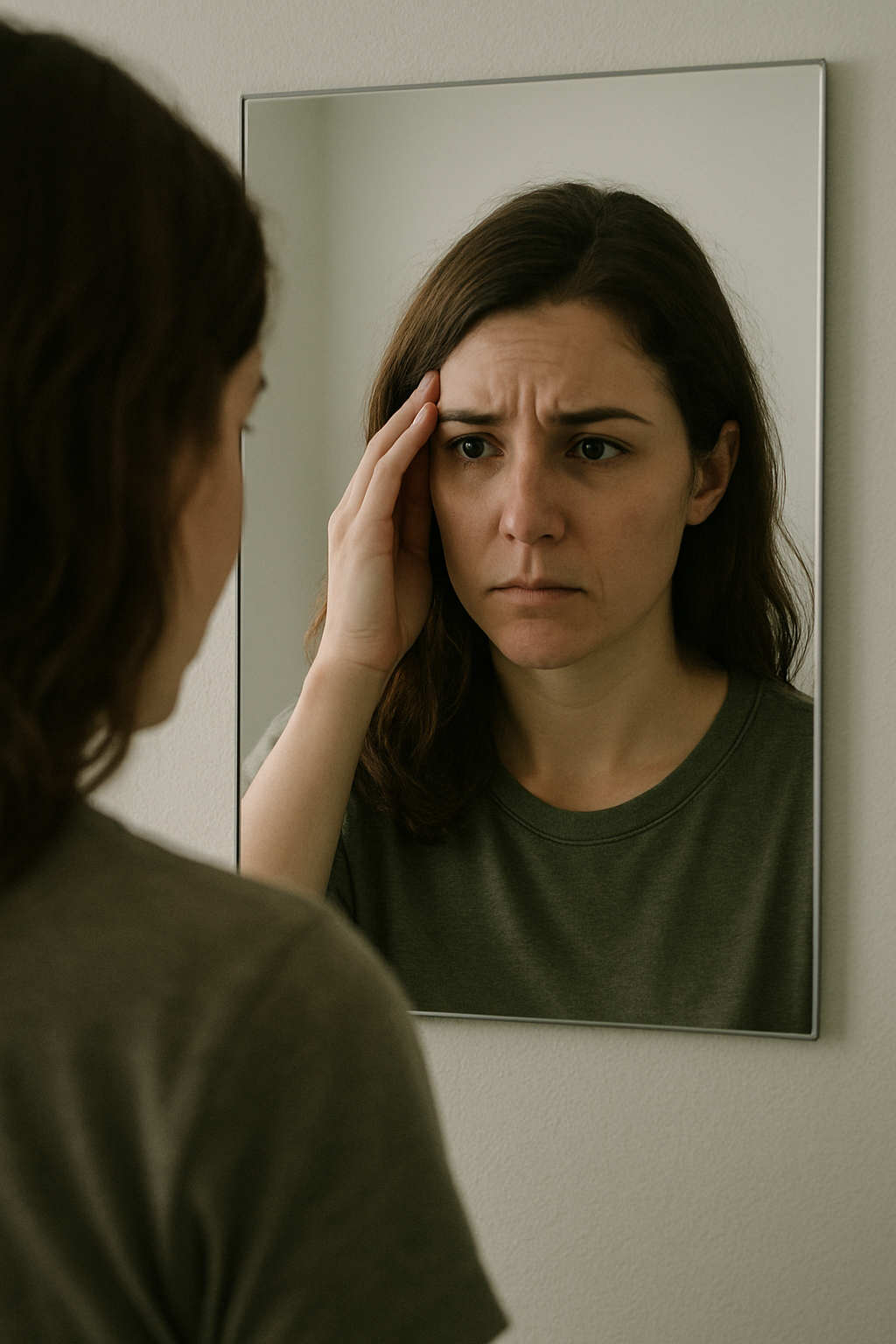
It’s not just that you’re tired or overwhelmed. It’s that you don’t recognize the person staring back at you in the mirror. You think, wait, who am I now?
You used to be driven. Passionate. Funny, even. Now? You feel like you’re cosplaying your own life. Just going through the motions like some under-rehearsed actor in a play you didn’t audition for.
There’s often shame in the mix. Sticky and quiet. You might think, “How did I let it get this bad?” But here’s the truth. Burnout isn’t about weakness. It’s about misalignment. When the life you’re living has drifted too far from your needs, your values, your truth.
In ACT (Acceptance and Commitment Therapy), we talk about something called psychological inflexibility. It means getting tangled up in rules, shoulds, perfectionism, and avoidance. The good news? Once you start noticing the knots, you can begin gently loosening them.
So, How Do I Start Finding Me Again?
Not with a checklist. Not with a podcast marathon or a $300 planner. Instead, try these slow, imperfect, and beautifully human steps. Remember that there's no perfect way to recover. Progress can be messy, and that's okay. Embrace setbacks as part of the journey, reducing pressure on yourself and fostering self-compassion.
Let Yourself Rest (For Real, Not Just “Screen Time in Bed”)
First rule of burnout recovery club? Quit trying to earn your rest. Seriously. Your body and mind don’t need convincing. They need actual downtime. Cancel something. Nap shamelessly. Watch some easy TV. Go stare at a tree. Give yourself permission to stop sprinting.
Rest isn’t lazy. It’s repair.
Get Quiet With Your Values
In ACT, we often guide clients through burnout recovery by reconnecting with values.
What actually matters to you?
Not what Instagram says, or what your job expects, or what your 20-something self once wrote in a journal. What feels meaningful now?
Start small.
- When do I feel most like myself?
- What’s one thing I used to love doing, before the burnout blur?
- If energy weren’t an issue, what kind of person would I want to show up as today?
Values aren’t about goals. They’re not outcomes. They’re like your internal GPS. They guide. They don’t judge.
Build Tiny Moments of Reflection
You don’t need to become some hyper-organized bullet journal goddess. Think smaller.
- Jot down one sentence about how you feel before bed.
- Text yourself something that made you smile today.
- Sit for one full minute, breathing and doing absolutely nothing productive.
These aren’t hacks. They’re breadcrumbs. Ways to remember you’re still in there somewhere. These are the first tiny steps towards burnout recovery.
Therapy Isn’t Just for Crisis Mode
Good therapy isn’t just coping strategies and worksheets. It’s a soft space where you can unravel safely. Where you can ask weird questions like, “What if I don’t want to go back to how I was?” and begin rebuilding. Not who you were, but who you’re becoming.
In ACT, there’s this idea called self-as-context. It’s a way of understanding that you are not your burnout. You are the space it’s happening in. The observer. The container. That’s where possibility lives.


Not a Grand Finale. Just a Thought to Sit With.
If you’re waiting until you “feel ready” to heal, you might be stuck waiting forever. Healing doesn’t usually arrive with a marching band. It shows up quietly. Sometimes disguised as boredom. Sometimes disguised as a tear. Sometimes, just as a sigh that says, “Enough.”
So what’s one tiny step you can take today?
Maybe you shut your laptop five minutes early. Maybe you say no to that Zoom hangout that drains your soul. Maybe, just maybe, you whisper to yourself, I still matter.
Burnout isn’t your ending. It might be your invitation to return to yourself.